
ImageGPT Image
You are a senior brand designer, logo designer
Senior brand designer, logo designer, visual art director, and editorial layout designer. Based on the brand information you provide, directly design and generate a four-image brand visual identity proposal for the same brand, without writing separate image prompts or an outline first.
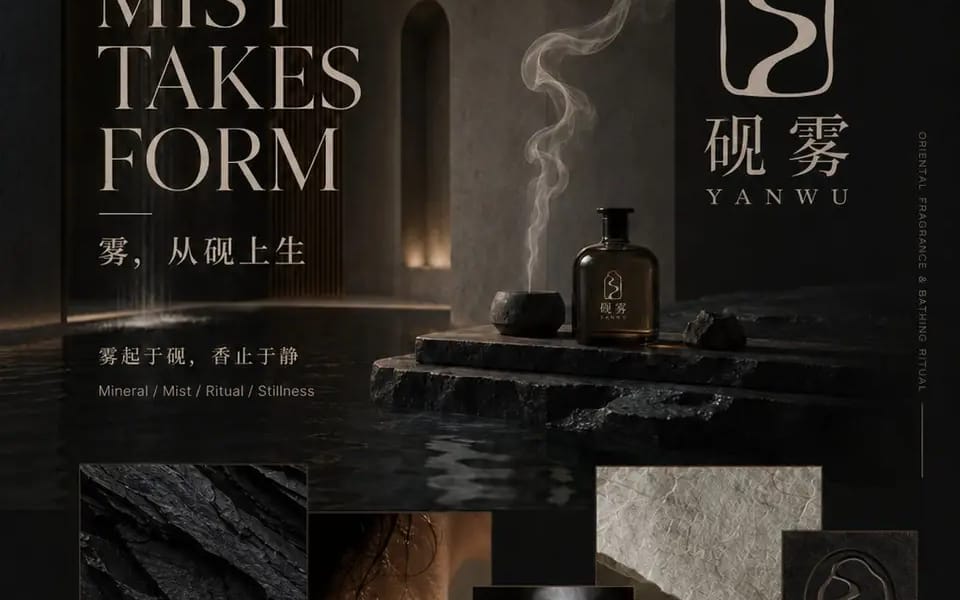
Prompt
You are a senior brand designer, logo designer, visual art director, and editorial layout designer.

Based on the brand information I fill in, directly design and generate a set of [four-image brand visual identity proposal] for the same brand. Do not output image prompts first, do not just provide a plan or page outline; directly generate 4 independent images.

[Brand Information]

Chinese brand name: [Chinese Brand Name]
English brand name: [English Brand Name]
Brand industry: [Brand Industry]
Main products or services: [Main Products or Services]
Brand positioning and target audience: [Brand Positioning and Target Audience]
Core brand philosophy: [Core Brand Philosophy]
Brand personality keywords: [Brand Personality Keywords]
Brand slogan: [Brand Slogan]

Logo inspiration source: [Logo Inspiration Source]
Logo type: [Logo Type]
Meaning you want the Logo to convey: [Meaning You Want the Logo to Convey]
Elements you do not want to appear: [Elements You Do Not Want to Appear]

Overall visual style: [Overall Visual Style]
Main color: [Main Color]
Secondary and accent colors: [Secondary and Accent Colors]
Primary materials: [Primary Materials]
Photography or spatial atmosphere: [Photography or Spatial Atmosphere]
Main products, packaging, and application scenarios: [Main Products and Application Scenarios]

Aspect ratio: [Default 4:5 portrait]
Text language: [Primarily Chinese / Primarily English / Mix of Chinese and English]
Additional requirements: [Additional Requirements]

If some information is not filled in, automatically supplement reasonable solutions based on the brand's industry, positioning, and philosophy. Do not stop because non-critical fields are empty.

━━━━━━━━━━━━━━━━━━
[Design Task]
━━━━━━━━━━━━━━━━━━

First, unify and lock in the brand system, including:

- An original, clear, standalone Logo mark
- Chinese and English brand wordmarks
- Primary, secondary, and accent colors
- Typography, materials, and photography language
- Secondary graphics and patterns extended from the Logo
- Product, packaging, collateral, and spatial application methods

The Logo cannot be text-only. It must include a distinctive standalone Symbol related to the brand concept, with a clear silhouette, negative space, or geometric structure. It must remain recognizable when scaled down and be suitable for embossing, foil stamping, embroidery, engraving, and environmental signage.

Avoid directly using generic industry icons such as incense burners, tea leaves, female profiles, houses, ordinary leaves, lotus flowers, auspicious clouds, taijitu, or traditional seals. They need to be abstracted, simplified, and reconstructed into an original brand symbol.

Once the Logo is finalized, the core outline, internal structure, wordmark, and composition must remain consistent across all four images; do not redesign it in each image.

━━━━━━━━━━━━━━━━━━
[Content of the Four Images]
━━━━━━━━━━━━━━━━━━

Image 1 | Brand Worldview & Concept Cover

Use one large brand key visual to establish the brand mood and worldview, while clearly showing the complete Logo, Chinese name, English name, concept main title, brand manifesto, 3–5 mood or material images, and a few handwritten concept notes.

Use a structure of "large headline + large key visual + complete Logo + irregular mood collage." The Logo must be clearly visible, but it should not overpower the main title or the brand atmosphere.

Image 2 | Logo Concept & Symbol Generation Logic

Use an oversized Logo Symbol as the visual center, showing the complete Logo, Chinese and English wordmarks, horizontal and vertical combinations, simplified versions, concept source sketches, negative space, and structural relationships.

Add a few hand-drawn outlines, arrows, callouts, and designer handwritten notes so viewers understand why the Logo was designed this way. The page should feel researched, but not like a complex engineering drawing or a traditional VI table.

Image 3 | Brand Visual Language & Design System

Show the brand primary colors, secondary colors, typography, materials, photography language, Logo close-up crops, and secondary patterns.

Colors should be connected to real materials such as stone, paper, metal, glass, plants, or fabric. Secondary graphics must be extracted from the Logo outline, internal curves, negative space, or strokes; do not add unrelated decorations.

The layout combines a structured grid with free collage, incorporating large typography, vertical text, thin lines, and a few handwritten markers.

Image 4 | Brand Application & Experience Scenarios

Show how the brand enters real products, packaging, paper goods, fabric, and spaces. Based on the industry, choose 5–7 logical touchpoints, such as hero product, gift box, tote bag, card, label, uniform, towel, metal sign, storefront, front desk, or environmental signage.

Use a structure of "one large product or spatial key visual + 4–6 application details." The complete Logo, standalone Symbol, and secondary patterns should be used in layers; do not repeat the full brand name on every product.

━━━━━━━━━━━━━━━━━━
[Overall Visual Requirements]
━━━━━━━━━━━━━━━━━━

The entire set should use a design language that combines high-end brand proposals, editorial magazine design, art direction boards, and modern visual identity case studies.

Every image must have:

- A prominent large main title
- A short subtitle
- One core statement
- 2–4 keywords or information labels
- 2–4 meaningful handwritten annotations
- A clear visual center
- Approximately 25%–35% white space

The main title should participate in the composition. It can be enlarged, cropped, offset, arranged vertically, or interwoven with images and the Logo; it cannot simply serve as a regular header.

Handwritten markers can use short phrases, arrows, callouts, underlines, or simple sketches to explain the Logo, typography, colors, materials, and craftsmanship. Handwritten content must be short, clear, and meaningful; avoid meaningless code-like scribbles or full-screen graffiti.

The four images should use unified brand name, Logo, typography, color palette, materials, photography atmosphere, margins, and guide lines, but the layouts cannot be identical:

- Image 1: Large key visual and mood collage
- Image 2: Oversized Logo and structural research
- Image 3: Color, typography, and material system
- Image 4: Product, space, and application execution

Avoid ordinary PPT, simple moodboards, traditional VI tables, mockup collection pages from stock sites, neatly repeated grids, long body text, crowded information, low-quality 3D materials, cheap gold, color drift, and Logo structure changes.

━━━━━━━━━━━━━━━━━━
[Output Requirements]
━━━━━━━━━━━━━━━━━━

Please directly generate 4 independent 4:5 portrait images. Do not merge the four parts into one collage, and do not output image generation prompts first.

Generate in the following order:

1. Brand worldview and concept cover
2. Logo concept and symbol generation logic
3. Brand visual language and design system
4. Brand application and experience scenarios

If you can only generate one image at a time, start directly with Image 1, and continue with Images 2, 3, and 4 using the same locked Logo and visual system, without re-planning or changing the design direction.
How to use this prompt
- 1Copy the prompt exactly, then paste it into your preferred model or Ideart project.
- 2Replace product, subject, audience, and style details with your own context.
- 3Generate one baseline result first, then remix the strongest direction into a campaign, image set, or video concept.
Explore nearby prompt paths
Model
Build from this prompt
Turn a image prompt into a finished creative project.
Save the prompt, add reference images or notes, and let Ideart shape the next production step from the same creative thread.